Solid-wireframe model using OpenGL/Direct3D
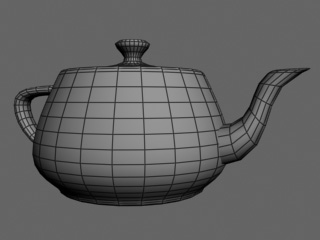
In solid wireframe , we should enable polygon offset on solid model first, and then disable polygon offset on wireframe model.
OpenGL:
glEnable( GL_POLYGON_OFFSET_FILL );
glPolygonOffset( bias, 1 );
glDisable( GL_POLYGON_OFFSET_FILL );
D3D:
device->SetRenderState( D3DRS_DEPTHBIAS, (DWORD)bias );
device->SetRenderState( D3DRS_DEPTHBIAS, (DWORD)0 );
Reference:


This is a concise yet useful explanation of depth bias and polygon offset handling in graphics rendering. The article clearly highlights an important rendering detail: depth bias is not supported in line and point rendering modes, and polygon offset should only be enabled while rendering the solid model before drawing the wireframe. Understanding these rendering techniques is essential for avoiding z-fighting issues and producing clean visual output in OpenGL and Direct3D applications.
ReplyDeleteGraphics rendering techniques such as depth bias, polygon offset, and z-buffer management play a crucial role in image generation and visual computing systems. Students and developers interested in graphics algorithms and rendering techniques can explore Image Processing Projects For Final Year to gain practical experience with image enhancement, rendering pipelines, and advanced visual processing methods.
Modern visual applications increasingly combine rendering techniques with AI-powered image analysis and enhancement methods to create intelligent graphics systems. Those interested in exploring these advanced visual technologies can learn more through Deep Learning Projects for Final Year, where neural networks and GPU acceleration are widely used for image understanding and visual computing applications.
ReplyDelete